Small cars disappearing from showrooms should worry more buyers than it does. Automakers keep chasing bigger crossovers, trucks, and SUVs, but the people who need affordable, efficient, easy-to-park cars have not suddenly disappeared with them.
The problem is that the market rewards size even when daily life does not. TopGearbox recently looked at how modern trucks got expensive, and the small-car problem is the other side of that same story: buyers are being pushed upward when many simply need something smaller, cheaper, and easier to live with.
Small Cars Disappearing Is A Buyer-Choice Problem
A small car is not glamorous in the current market. It does not tower over traffic, tow a boat, or make a driveway look expensive. But for millions of drivers, that is not the job.
Small cars are useful because they keep ownership simple. They are easier to park, usually cheaper to buy, often cheaper to insure, and less intimidating in tight urban streets. They make sense for students, first-time buyers, retirees, commuters, delivery drivers, and households that do not need a massive vehicle every day.
Practicality is being redefined upward, and that is the problem. Automakers increasingly treat a small crossover as the new entry point, even when a traditional small hatchback or sedan would be more efficient and more affordable.
That shift may help profit margins. It does not always help drivers.
Automakers Follow Profit, Not Parking Spaces
Small cars are difficult business cases. They cost money to design, certify, manufacture, ship, advertise, and support, but buyers expect them to be inexpensive. Bigger crossovers and SUVs can carry higher transaction prices and richer trim packages.
That creates an obvious incentive. If an automaker can persuade a buyer to move from a small hatchback into a compact crossover, the company often gets more revenue from the same showroom visit.
The EPA’s latest Automotive Trends highlights describe a continuing industry shift toward SUVs, along with increases in vehicle weight, horsepower, and footprint. That is not just a technical trend. It is a cultural and economic one.
Drivers are being sold size as progress. Sometimes it is. Sometimes it is just a more expensive answer to a simple problem.
The City Car Case Is Stronger Than Ever
The irony is that small cars make more sense in cities than many of the vehicles replacing them. Urban roads are crowded. Parking spaces are tight. Fuel costs still matter. Delivery zones, apartment garages, old neighborhoods, and school pickup lines do not magically expand because crossovers became popular.
A good small car can make daily driving calmer. It is easier to place in a lane, easier to reverse, easier to park, and less wasteful when carrying one or two people.
That matters because many buyers use large vehicles for small-car jobs. They commute alone. They shop locally. They park in tight spaces. They rarely tow. They rarely fill every seat. Yet the market nudges them toward taller, wider, heavier vehicles because those are the products automakers want to sell.
| Small-Car Advantage | Why It Still Matters |
|---|---|
| Lower purchase price | Helps young and budget buyers enter the market |
| Easier parking | Fits cities, apartments, and older neighborhoods |
| Better efficiency potential | Uses less energy and fuel for daily trips |
| Lower running costs | Can reduce tires, insurance, and maintenance strain |
| Driver confidence | Feels less intimidating in tight streets |
| Less road space | Reduces everyday congestion pressure |
Safety Has Made The Conversation More Complicated
The small-car debate is not as simple as “small good, big bad.” Size can matter in a crash, especially when small cars share roads with large pickups and SUVs. Many buyers choose bigger vehicles because they feel safer, and that instinct is understandable.
But bigger vehicles create risks too. The Insurance Institute for Highway Safety has warned that higher front ends can increase danger for pedestrians. That means the industry’s move toward taller vehicles is not only a buyer-preference issue. It affects everyone outside the vehicle as well.
A healthier market would give buyers more choices rather than forcing one type of safety compromise. Small cars should continue improving crash protection, driver assistance, and visibility. Large vehicles should be designed with more attention to pedestrian safety and urban use.
Bigger is not automatically better.
Electric Cars Could Save The Small-Car Idea
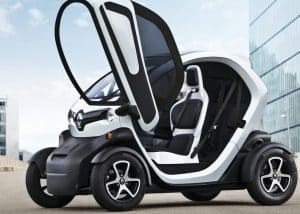
Electrification might give small cars a second chance, especially outside the U.S. Smaller batteries can reduce cost and weight. City-focused EVs do not need huge range if they are designed honestly for local use. Compact dimensions also make sense when charging happens at home, work, or urban stations.
The challenge is price. A small EV that costs too much loses the whole point. Buyers who want small cars usually need value, not just reduced emissions. If automakers can build affordable compact EVs with useful range and simple cabins, the category could become relevant again.
The risk is that brands repeat the same mistake with EVs that they made with gasoline cars: chasing bigger, heavier, more expensive models because they look more profitable.
The Next Pressure Point Is Affordability
The market cannot ignore small cars forever. High new-vehicle prices, expensive financing, crowded cities, and buyer fatigue with oversized vehicles could bring the question back.
Automakers should watch first-time buyers carefully. If young buyers cannot afford new vehicles, brand loyalty weakens before it even begins. If city drivers cannot find compact options, they may shift to used cars, public transportation, car sharing, or nontraditional mobility.
Small cars disappearing matters because it removes one of the simplest answers in the vehicle market. Not every driver needs a crossover. Not every family needs a truck. Not every commute deserves two tons of metal. The brands that remember small, honest, affordable cars may find that buyers missed them more than the industry expected.