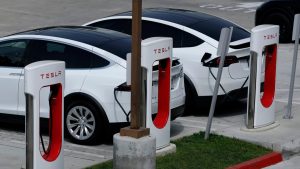
EV model cancellations are no longer isolated product cleanups buried deep in corporate planning. They are becoming a visible sign that automakers overshot parts of the electric market, then discovered buyers were more complicated than the launch decks suggested.
That does not mean EVs are failing. It means the easy phase is over. We recently argued that hybrids make sense for drivers who want efficiency without changing their lives around charging, and the growing EV pullback shows automakers are reaching a similar conclusion: technology alone does not guarantee demand.
EV Model Cancellations Are A Reset, Not A Funeral
The phrase “EV graveyard” is dramatic, but the market reality is more nuanced. Automakers are canceling, delaying, pausing, or reshuffling EVs because the first wave of products did not all land with equal strength.
A Business Insider rundown of EVs automakers axed shows how broad the issue has become, with brands cutting or adjusting electric models across different segments. Car and Driver has also tracked discontinued and canceled EVs, including models being replaced, paused, or phased out as companies rethink lineups.
The key point is not that buyers hate EVs. Many still want them. The problem is that the wrong EV at the wrong price, with the wrong range, charging story, incentives, or body style, can become a costly product mistake.
The EV market is maturing, not disappearing.
Automakers Learned That Demand Is Not One Big Number
Early EV planning often treated demand as if it were a single rising curve. Build more electric models, improve range, add screens, and buyers would move over.
Real demand is messier.
Some buyers can charge at home. Some cannot. Some want a quiet commuter EV. Others need a road-trip family vehicle. Some will pay premium money for performance and tech. Others want low ownership costs and familiar service support. Cold-weather drivers, apartment dwellers, rural households, fleet buyers, luxury shoppers, and city commuters do not all want the same product.
That is why cancellations matter. They reveal which assumptions did not survive contact with the market. A slow-selling electric sedan may not say much about electric trucks. A paused compact EV may not say much about luxury SUVs. But taken together, these moves show automakers are learning that EV demand is specific, not automatic.
| EV Pressure Point | Why It Forces Strategy Changes |
|---|---|
| High prices | Buyers compare EVs against hybrids and gas models |
| Charging access | Home charging remains a major ownership divider |
| Incentive changes | Tax credits and policy shifts can alter demand quickly |
| Range anxiety | Confidence matters as much as advertised range |
| Segment mismatch | Not every body style translates cleanly to EV demand |
| Profit pressure | Automakers cannot carry weak models indefinitely |
Hybrids Are Benefiting From EV Overreach
The biggest winner from EV uncertainty may be the hybrid. That is awkward for automakers that spent years framing hybrids as a temporary bridge.
Hybrids now look practical again because they solve the two problems full EVs still struggle with for many buyers: charging dependence and lifestyle change. A hybrid can improve fuel economy without asking the owner to install a charger, plan road trips differently, or worry about broken public stations.
This does not make hybrids more advanced than EVs. It makes them easier to adopt. And ease matters.
Convenience can beat purity in the showroom. A buyer may like the environmental and performance case for an EV, but still choose a hybrid if the EV requires too much planning. Automakers are responding because they have to sell cars, not just visions.
Some EVs Were Built Before The Business Case Was Ready
An EV can be technologically impressive and still weak as a business case. Expensive batteries, costly development, uncertain residual values, uneven charging infrastructure, and heavy discounting can turn a promising model into a financial problem.
That matters because automakers are not charities. They can support halo EVs for branding, but they cannot keep every weak-selling electric model alive forever. If a model misses sales expectations, overlaps another product, or costs too much to update, cancellation becomes rational.
The EV market is also moving quickly. A model that looked advanced three years ago can be exposed by newer batteries, faster charging, better software, or lower-cost rivals. That speed makes product planning risky. Gasoline cars had generations to refine categories. EVs are being judged in a market that changes every year.
The Consumer Lesson Is To Watch Support, Not Just Specs
For buyers, EV model cancellations create a new question: what happens after the purchase?
A canceled model is not automatically a bad buy. Automakers still have obligations for service, warranties, parts, and software support. Some discontinued vehicles may become strong used deals. Others may suffer from weaker resale confidence or slower long-term support.
The safer approach is to look beyond range and horsepower. Buyers should ask whether the brand is committed to the platform, whether dealers can service it, whether parts supply looks healthy, and whether the model shares hardware with other vehicles.
The best EV buy is not always the newest EV. It is the one backed by a stable ownership ecosystem.
The Next EV Battle Is Discipline
The next phase of the EV market will reward discipline over volume. Automakers do not need ten electric models if only three make sense. They need EVs that match real use cases: affordable commuters, credible family crossovers, premium vehicles with luxury-grade charging confidence, and performance models that feel special beyond launch numbers.
That reset could make the market healthier. Fewer weak EVs may mean better ones. More hybrids may help buyers transition without resentment. More realistic planning could stop automakers from flooding showrooms with models the public never asked for.
EV model cancellations matter because they show the electric future is being edited in public. The dream is not dead, but the first draft was too broad, too expensive, and too confident. The automakers that survive the reset will be the ones that stop asking buyers to adapt to every EV and start building EVs that adapt to buyers.
FAQ’s
Do EV model cancellations mean electric cars are failing?
No. They show the market is becoming more selective. Strong EVs can still succeed, but weak pricing, poor positioning, limited range, or charging concerns can make certain models vulnerable.
Should buyers avoid discontinued EVs?
Not automatically. A discontinued EV can still be a good buy if warranty coverage, service support, parts availability, and software updates remain strong. Buyers should check the ownership ecosystem carefully.
Why are hybrids gaining attention again?
Hybrids give buyers efficiency without full dependence on charging. They are especially appealing for drivers without home charging, frequent road-trippers, and people who want lower fuel use with fewer lifestyle changes.