The Daytona Race Strategy picture for the Coke Zero Sugar 400 on August 29, 2026 is unusually technical because NASCAR has changed the superspeedway package before the regular-season finale. As of August 22, 2026, the race remains scheduled for next Saturday, and teams are preparing for a Daytona event shaped by lower drag, less rear spoiler, reduced horsepower and the usual playoff pressure attached to the final regular-season Cup race.
NASCAR announced that the rear spoiler will be shortened from 7 inches to 4 inches for the summer Cup race at Daytona, with horsepower reduced from roughly 510 hp to 465 hp NASCAR rule changes. That combination matters because Daytona strategy has often been distorted by the penalty for leaving line and by late-race fuel saving. The intent is not to remove drafting from the contest; it is to give drivers a better chance to build runs, change lanes and pass without being trapped by the aero loss that can punish a single-car move.
That shifts the race from a narrow fuel-and-position exercise toward a broader execution problem. Crew chiefs still have to protect track position, pit cleanly and keep their drivers attached to useful drafting partners. The difference is that the new package should make the timing of lane changes more valuable, especially for drivers who cannot afford a conservative points day.
Why Daytona Race Strategy Changes With The New Package
The smaller spoiler is the defining adjustment. A 7-inch blade creates more drag and more rear stability; a 4-inch blade reduces that drag load and changes the way the car reacts in traffic. NASCAR has paired the spoiler reduction with lower power, plus associated hardware changes such as wide splitter stuffers, spoiler braces and a revised spoiler deflection device. Those pieces matter because the package is not just a trimmed rear spoiler; it is an attempt to rebalance the car after taking away rear downforce.
Daytona Race Strategy Under Less Drag
With less drag, the single-car penalty for stepping out of line should be less severe. That is the core competitive idea behind the change. Drivers who previously had to sit in line and wait for a late-stage push may now have a slightly larger window to pull out, test a second lane and avoid being locked into a fuel-saving queue.
Motorsport.com reported that NASCAR expected single-car qualifying runs to be approximately 3 mph faster with the new setup, while pack speeds in the draft were expected to stay similar to previous levels Daytona package report. That distinction is critical. If pack speed is broadly familiar but the single-car drag profile improves, the strategic gain is not pure top speed in the draft. It is the driver’s ability to survive the first phase of a lane change long enough for help to arrive.
Reduced Power And The Drafting Threshold
The horsepower cut to roughly 465 hp also changes how quickly mistakes can be corrected. Lower power reduces the ability to recover momentum without assistance, so a driver who leaves line at the wrong moment may still fall backward. The package may improve passing opportunities, but it does not remove the need for disciplined drafting judgment.
That makes spotter communication more important than usual. A driver needs to know whether the car behind is committed, whether a manufacturer ally is positioned to push, and whether the outside or middle lane has enough formation to carry the move. The old Daytona problem remains: a pass begins with one driver, but it is completed by several cars agreeing, even briefly, to the same plan.
Fuel Windows, Pit Cycles And Stage Position
Fuel strategy will not disappear at Daytona, but the rule change is aimed at reducing the incentive to spend long portions of the race managing consumption at the expense of racing. Under the previous package, a driver could be boxed into saving fuel because leaving line carried too much aero cost. If the new package allows more effective lane movement, teams may be more willing to push in the middle portion of a run rather than waiting for the final fuel window.
Green-Flag Stops Still Carry Heavy Risk
Daytona green-flag pit stops remain one of the most exposed parts of the race. A clean stop is not only about tire and fuel service. It includes entering pit road without a penalty, avoiding a stack-up with teammates, merging back into a useful draft and not losing the group that defines the next stage of track position.
Teams often prefer to pit in groups by manufacturer or alliance because the out-lap is vulnerable. A single car leaving pit road alone is exposed until it rejoins traffic. Under the new package, that exposure may be slightly less punishing than before, but not enough to make solo cycling attractive as a primary plan. The safe strategic assumption is still that pit timing must be coordinated, especially for drivers near the playoff cut line.
Stage Points Versus Race-Winning Position
The regular-season finale status complicates every call. Some teams will value stage points because their championship position demands it. Others may need only a win, which changes the risk profile completely. A points-focused crew chief may choose stability, lane discipline and controlled pit entry. A win-only driver may need to create chaos at the right moment, particularly if the lead pack is organized around drivers who are already safer in the standings.
That split will affect alliances. Drafting partners are useful, but their incentives may not match. A driver racing for the 16th playoff position may not be able to support a teammate’s conservative stage plan if the only meaningful result is victory. Daytona usually tests cooperation; on August 29, 2026, it will also test whether cooperation survives conflicting playoff math. For wider context on how schedule and car changes have shaped the year, the broader NASCAR 2026 season picture helps frame why this finale carries extra technical weight.
Drafting Alliances And Closing-Lap Execution
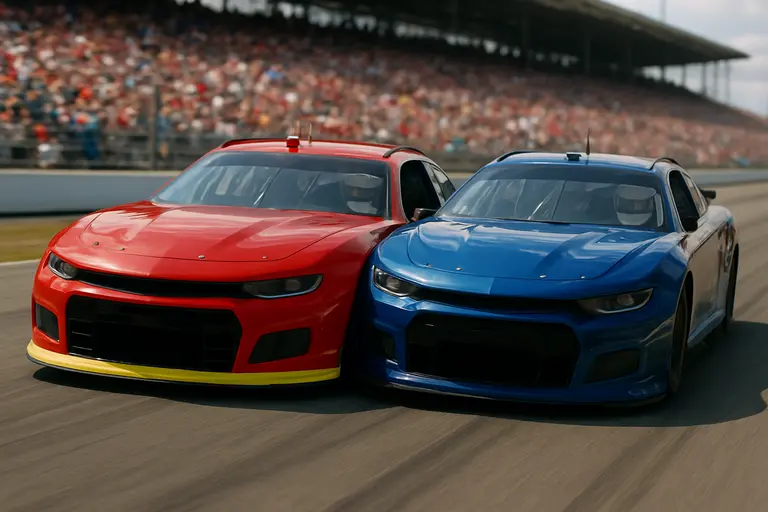
The final laps at Daytona are rarely decided by the fastest isolated car. They are decided by lane strength, push quality, timing and restraint. The new rules may allow a driver to pull out of line more effectively, but that move still needs help. A lane with two committed cars can form quickly; a lane with hesitation can collapse before the leader is even challenged.
Manufacturer groups and team cars should therefore remain central to the plan. A driver can build a run off a teammate, but the trailing car also has its own incentive to win. That creates the classic Daytona tension: the pusher wants the lane to advance, but not so cleanly that the car ahead becomes unreachable. The smaller spoiler could make side-drafting and momentum transfer feel different, yet the competitive principle remains the same. The winning move usually comes from judging when the pack is organized enough to carry a run, but unsettled enough that the leader cannot cover every lane.
- Early race: verify balance in traffic, identify stable drafting partners and avoid unnecessary pit-road exposure.
- Middle stages: decide whether stage points justify track-position risk, especially for playoff-bubble entries.
- Final run: protect fuel margin without giving up lane control, then commit to a move only when help is aligned.
Daytona Race Strategy At The Coke Zero 400
The key to Daytona Race Strategy on August 29, 2026 is recognizing what the new package changes and what it does not. It should reduce the aerodynamic punishment for a driver who pulls out of line, and it may reduce the fuel-saving pattern that has limited aggression in some superspeedway phases. It does not remove the need for drafting help, clean pit execution or disciplined timing.
The teams most likely to control the race will be those that treat the new aero rules as a lane-management problem rather than a simple speed gain. Faster single-car qualifying projections suggest less drag, but race-winning speed at Daytona still comes from how air moves through groups of cars. The best crew chiefs will build plans around that reality: pit with partners, keep options open across stages, and avoid committing to the wrong lane before the pack is ready to support it.
For drivers fighting for the final playoff position, the strategy will be sharper still. A cautious finish may not be enough, and a reckless move may end the day before the final lap. The new rules give them a better chance to race their way forward, but the deciding factor will be execution under pressure. That is why Daytona Race Strategy for the 2026 Coke Zero Sugar 400 is less about one perfect call and more about stacking correct decisions until the final draft forms.