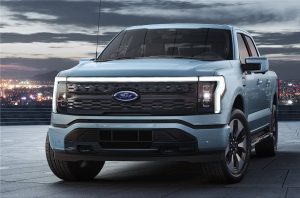
The global automotive industry is undergoing a seismic transformation in 2026 as electric vehicles (EVs) become more accessible, practical, and appealing to the average consumer. Once considered expensive, niche products for early adopters, EVs are now moving into the mainstream thanks to falling prices, rapid technological improvements, and a new focus on value and efficiency. This fundamental shift is not just changing the way people buy and drive cars; it’s also reshaping the entire competitive landscape of the automobile market.
With manufacturers prioritizing affordability and practicality, the central question is no longer if electric cars will become standard but how soon they will overtake traditional vehicles as the top choice for everyday driving.
The Turning Point: Why Affordable EVs Now Have Momentum
Industry-wide, the average entry point for a new EV has dropped considerably, signaling a strategic shift away from positioning EVs as luxury eco-status symbols toward everyday transportation.
Falling Prices Are Changing the Industry
One of the defining trends of 2026 is the consistent, widespread reduction in EV prices. Car manufacturers are not only cutting production costs through better manufacturing practices but are also streamlining features and optimizing design to deliver value.
Popular models, like the Hyundai Ioniq 5, have seen dramatic price drops base versions now list at around $36,600, representing thousands in savings over previous years. Tesla, meanwhile, has once again adjusted its pricing to maintain its competitive edge, while Toyota’s all-electric C-HR, launching at about $38,000, is priced below the historic industry EV average of around $55,000.
These moves show a clear, industry-wide commitment to making EVs an attainable choice for a broader audience.
Tech Improvements Without the Premium Price Tag
Affordability no longer equates to compromise. Technological advancements in 2026 have allowed entry-level EVs to feature capabilities that were once reserved for top-tier models. Most new affordable EVs can now travel at least 250–300 miles on a single charge, with some exceeding 300 miles depending on configuration.
With many vehicles now charging from 10–80% in under half an hour, range anxiety is fading for all but the most demanding drivers. Meanwhile, advanced infotainment, semi-autonomous driver aids, and seamless connectivity are standard in many EVs, offering comfort and convenience that rival or surpass traditional cars.
Case In Point: The 2026 Hyundai Ioniq 5
The Hyundai Ioniq 5 is an excellent example of the new affordable EVs reshaping the market:
- Starting Price: Around $36,600
- Range: Up to 300+ miles (depending on trim)
- Charging: Fast charging from 10–80% in about 30 minutes
- Features: Spacious interior, advanced driver assistance, and a modern, digital interface
This model proves that new EVs are no longer just about being environmentally friendly they’re also stylish, versatile, and competitively priced.
Consumer Behavior is Shifting
With falling prices and better features, once-hesitant buyers now consider EVs as realistic alternatives to gasoline vehicles. Price parity means that factors like lower maintenance costs, reduced “fuel” expenses, and even government incentives tip the scales further in favor of electric driving.
Affordable leasing options and improving financing deals are making it easier than ever for typical drivers to go electric, giving rise to a new wave of mainstream adoption.

Manufacturing Innovations Behind Affordable EVs
Technological change on the manufacturing floor has been central to falling EV costs. The adoption of “gigacasting” where large vehicle sections are produced from single molds lowers complexity and saves both time and materials. This method also reduces vehicle weight, boosting efficiency.
Cheaper, more durable lithium iron phosphate (LFP) batteries are gaining popularity, further reducing costs and enhancing vehicle longevity.
Barriers That Remain
While the momentum is strong, a few challenges remain. Charging infrastructure needs rapid expansion to meet growing demand, especially for apartment dwellers and those in rural areas. Range anxiety, while lessened, is still a concern for a minority of drivers making frequent long trips.
Unpredictable supply chains and fluctuating raw material prices can still impact EV affordability and availability. But with ongoing investment and a spirit of innovation, automakers are making substantial headway on all fronts.
A Market Transformed
The rise of affordable electric cars is now a force, not a fad. Automakers are retooling entire product lines around efficiency, value, and ease of ownership, rather than just luxury performance.
Government policies promoting clean energy and reduced emissions are also nudging the industry and buyers toward a future where electric transportation is the default, not the exception.
Electric, Accessible, and Here to Stay
The year 2026 is proving to be a landmark moment in the story of electric mobility. By combining accessible pricing, real-world range, and advanced features, EVs are fundamentally changing how people think about cars.
As these vehicles become the practical, attainable choice for drivers everywhere, the automotive industry is poised for lasting transformation. The future of driving is no longer limited by cost or convenience sustainable, affordable electric vehicles are quickly becoming the new normal.