The Daytona Driver Strategy story from the August 29, 2026 Coke Zero Sugar 400 was not only about who had the fastest car in the draft. It was a race shaped by reduced drag, lower power, fuel math, late track position, and the discipline to avoid the errors that usually decide Daytona’s regular-season finale.
NASCAR’s revised superspeedway package gave the event a different strategic profile before the green flag. Teams had to assess a shorter spoiler, reduced horsepower, altered rear aero hardware, and the possibility that the pack would no longer punish every attempted move with the same aerodynamic stall. The race then supplied a practical case study: Ryan Preece won despite leading only five laps, Shane van Gisbergen lost ground after late service, and the strongest closing results belonged to drivers who treated fuel and position as linked assets rather than separate decisions.
Rule Package Changed The Daytona Operating Window
Daytona Driver Strategy Started With Less Drag
NASCAR introduced the new Daytona superspeedway package for the August 29, 2026 Cup Series regular-season finale, with the rear spoiler cut from 7 inches to 4 inches, horsepower reduced from roughly 510 hp to about 465 hp through a tapered spacer, and revised spoiler deflector and brace components NASCAR rule changes. The stated competitive target was clear: reduce drag, improve fuel-saving efficiency, and create more passing opportunity by making it less difficult for drivers to leave line and complete an overtake.
That made Daytona Driver Strategy less dependent on simply locking into the most stable lane and waiting for attrition. A smaller spoiler changes the rear aero platform, while the lower horsepower number changes how quickly runs build and how efficiently cars can remain in formation. At Daytona, those changes do not remove the draft’s grip on the race, but they alter the timing of commitment. A driver who waits too long risks being boxed in; a driver who jumps too early risks losing the push needed to clear.
Expected Speed Gains Did Not Mean A Simple Race
RACER reported before the event that single-car qualifying speeds were expected to rise by roughly 2–3 mph compared with the previous superspeedway package, while pack speeds were expected to remain similar RACER aero analysis. That distinction mattered. The package was not framed as a pure speed increase in traffic. It was a competition tool aimed at giving drivers more workable air and teams more fuel flexibility.
The result was a race where speed in isolation meant less than stint execution. A car could recover if its driver and team protected the right moments. A fast car could also lose the race by surrendering position at the wrong time. That tension defined the final stage.
Driver Performance Separated Fuel Discipline From Speed
Preece Converted A Damaged Race Into A Win
Ryan Preece’s win was the cleanest example of how the new rules changed the value of patience. He led only five laps across three separate stints, but the winning performance did not require dominating the front row for long stretches. It required staying alive through the race’s disorder, recovering from early damage, and saving enough fuel to avoid the final stop that others could not avoid.
The No. 60 team’s route to victory was not linear. The car sustained damage in Stage 1, needed repairs, and restarted Stage 2 from the back of the field. Under a package that gave drivers more chance to move through traffic, that setback did not end the race. Preece still had to choose lanes with care, avoid being trapped in the wrong energy cycle, and protect fuel in the closing phase. The performance was less about raw pace than about keeping the car eligible for the final strategic call.
His decision to skip the final pit stop in the last stage became the defining move. With reduced drag improving fuel-saving potential, the race no longer forced the same conservative assumption that a final green-flag stop would be necessary. Preece and his crew accepted the exposure of staying out, then managed the final laps with just enough margin. That is a driver-team performance metric as much as a fuel number.
Van Gisbergen Lost Track Position At The Worst Time
Shane van Gisbergen’s race illustrated the opposite side of the same equation. He won Stage 1, proving he had competitive race execution early, but his Lap 157 stop for fuel and tires dropped him to 27th for the final restart. Under Daytona’s older strategic logic, late service could sometimes be defended if fresher tires or a full fuel load created enough opportunity. On August 29, 2026, the loss of track position was too costly.
Van Gisbergen finished 28th and missed the Chase. The drop from stage-winning track position to a deep restart position shows how tightly the package linked timing and lane access. More maneuverability did not mean unlimited recovery. It meant drivers could recover if they still had drafting partners, lane momentum, and enough laps to turn position into forward motion. Starting the final restart from 27th compressed all three variables.
Daniel Suárez and Tyler Reddick supplied the more efficient closing model, finishing second and third after staying clear of the late-race trouble and making their track position count. Their results supported the central competitive lesson: under the revised package, the best finishers were not necessarily those who showed the most early-stage control, but those who preserved their strategic options until the field was most unstable.
Pit-Lane Choices Shifted Toward Fuel And Track Position
Fuel-Only Logic Reweighted Crew Priorities
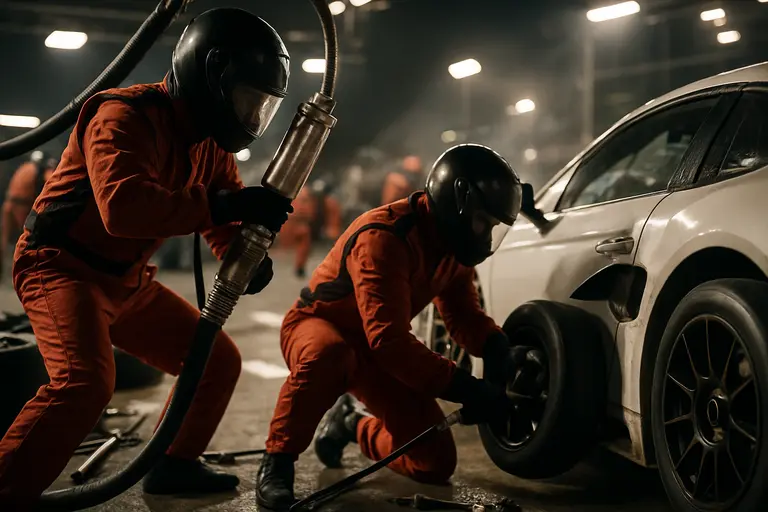
The pit-lane workload shifted toward fuel management rather than repeated tire-service cycles. Many teams leaned on fuel-only stops, and tire changes were generally less central than in many previous superspeedway strategy patterns. That did not make pit work easier. It changed the error profile. A slow fuel connection, a slight misread on consumption, or an unnecessary tire call could cost the exact track position needed for the final drafting sequence.
For context, the related Daytona pit strategy analysis before the race identified the same pressure point: lower drag could reduce the need for a final stop, but it would raise the penalty for teams that guessed wrong. The race validated that framework. Preece’s win came from choosing fuel conservation over late pit security, while van Gisbergen’s late service showed how difficult it was to rebuild position once the field compressed for the restart.
Track Position Became A Stored Resource
At Daytona, track position is often described as fragile because a driver can fall back quickly in the wrong lane. Under the August 29, 2026 package, it functioned more like a stored resource. Teams that held position did not only occupy better road space; they protected access to better pushes, cleaner lane choices, and fewer incident exposures in the closing laps.
That is why the top finishing pattern matters. Preece led sparingly, Suárez finished second, and Reddick finished third because each arrived at the finish with enough position and enough strategic clarity. The revised package may have improved the ability to pass, but it did not erase the cost of being buried in traffic after a late stop. More passing opportunity still required the right sequence of drafting help, throttle discipline, and timing.
Daytona Driver Strategy Under New Rules
The Winning Template Was Controlled Risk
For teams, Daytona Driver Strategy after this race should be read as controlled risk rather than aggression for its own sake. The package rewarded teams willing to stretch fuel, but only if the driver could maintain usable position and avoid losing the draft’s support. It rewarded recovery, but only if damage did not remove too much aerodynamic efficiency. It rewarded passing attempts, but only when those moves were built from momentum rather than desperation.
The most important takeaway from August 29, 2026 is that the new Daytona package changed the decision tree without making the race predictable. Preece’s first Cup Series points win came from a combination of damage control, fuel conservation, and timing. Van Gisbergen’s fade showed how one late stop could overwhelm earlier stage strength. Suárez and Reddick showed the value of being present at the front when the race entered its highest-risk window.
Daytona Driver Strategy under the new rules therefore became a balance between aerodynamic opportunity and fuel restraint. The cars had more potential to move, but the race still punished poor timing. Daytona remained a pack race, but on August 29, 2026, the winning edge belonged to the team that treated fuel, position, and lane choice as one system.