Daytona Pit Strategy has become less about a single perfect stop and more about how teams manage aerodynamic drag, fuel conservation, track position and penalty exposure under NASCAR’s revised superspeedway rules. For the Coke Zero Sugar 400 scheduled for Saturday, August 29, 2026, that equation has changed again.
NASCAR announced a specific Daytona package for the August race: the rear spoiler has been reduced from 7 inches to 4 inches, while horsepower has been reduced from about 510 hp to about 465 hp, according to the NASCAR rule bulletin. The stated aim is to reduce drag and create more opportunity for passing on track, rather than allowing the race to settle into long periods defined mainly by fuel saving and pit-cycle positioning.
That matters because Daytona strategy is rarely isolated to pit road. A crew chief’s call is tied to the line a driver can hold in the draft, the willingness of teammates and partners to pit together, and the risk tolerance of a group deciding whether to protect track position or extend a fuel number. The August 29 package does not remove those variables. It changes their weighting.
Why Daytona Pit Strategy Has Changed
Smaller Spoiler, Lower Power
The spoiler reduction is the most visible change, but the paired power reduction is just as relevant to race management. Less spoiler means reduced drag. Lower power changes how quickly cars respond in traffic and how groups form speed in the draft. NASCAR expects single-car qualifying runs under the new package to be 2–3 mph faster, while pack-drafting speeds are expected to remain roughly equivalent, based on the research supplied for this race.
For teams, the strategic issue is not simply whether the car is faster alone. The more useful question is whether drivers can recover position after a stop without needing the same level of fuel-conservation assistance from the pack. If passing opportunities improve even modestly, a team may accept a slightly less protective pit sequence in exchange for cleaner execution and better control of its own timing.
Daytona Pit Strategy And Track Position
Daytona Pit Strategy still begins with track position. The February 15, 2026 Daytona 500 showed why. Fuel management was central during that race, especially in early green-flag runs, as crew chiefs weighed the value of staying ahead of the pit cycle against the benefit of saving enough fuel to reduce stop pressure.
RFK Racing’s Brad Keselowski was part of that wider strategic discussion before the Daytona 500, with emphasis placed on starting from a strong position because being ahead during early green-flag pit cycles can produce a meaningful edge. That remains relevant for August 29, even with the altered aero and power package. A team that controls the first cycle can avoid reacting to others, which reduces the chance of being caught in a split pack or entering pit road without enough drafting support on exit.
Pit Road Risk At Superspeedway Pace
Penalty Exposure Shapes Every Call
The strategic model at Daytona includes a hard constraint: pit road errors are expensive. Infraction reports from the February 15, 2026 Daytona 500 showed cars penalized for pitting before pit road was open, with those entries sent to the rear under the penalty sheet referenced in the research. That kind of error can erase an entire stage of careful fuel management.
Because of that, pit timing cannot be treated as a pure fuel calculation. A crew chief must also account for the probability of caution timing, the clarity of the pit-open signal, the driver’s entry discipline and the risk of following a group into a call that becomes illegal or poorly timed. At Daytona, the safest stop is not always the fastest strategic stop. It is the stop that preserves eligibility, keeps the car connected to a useful drafting group and avoids handing away position through procedure.
Fuel Saving Is Still A Competitive Tool
NASCAR has openly recognized frustration around long periods of superspeedway fuel conservation, including stretches where cars ran at sharply reduced throttle to extend range. Officials have discussed changes with the Driver Advisory Council, including technical rules, stage lengths and speed packages intended to support more on-track passing, as reported by Motorsport.com on NASCAR’s response.
That does not mean fuel saving disappears. It means the reward structure is being challenged. If the new package makes passing less dependent on being perfectly aligned before the final stop, then conservative fuel runs may lose some of their value. If the field still forms stable lines and resists movement, then teams will quickly return to the same conservation logic that shaped earlier superspeedway races.
| Strategic Factor | Known 2026 Daytona Context | Competition Effect |
|---|---|---|
| Rear spoiler | Reduced from 7 inches to 4 inches | Lower drag changes drafting and recovery calculations |
| Horsepower | Reduced from about 510 hp to about 465 hp | Throttle response and pack behavior become key unknowns |
| Qualifying expectation | Single-car runs expected 2–3 mph faster | Starting position may carry added value before the first cycle |
| Pack speed expectation | Expected to remain roughly equivalent | Race traffic may still compress strategic windows |
| Pit penalties | February 15 reports included pitting-before-open violations | Procedure can outweigh theoretical strategy gains |
Crew-Chief Tradeoffs In The Coke Zero Sugar 400
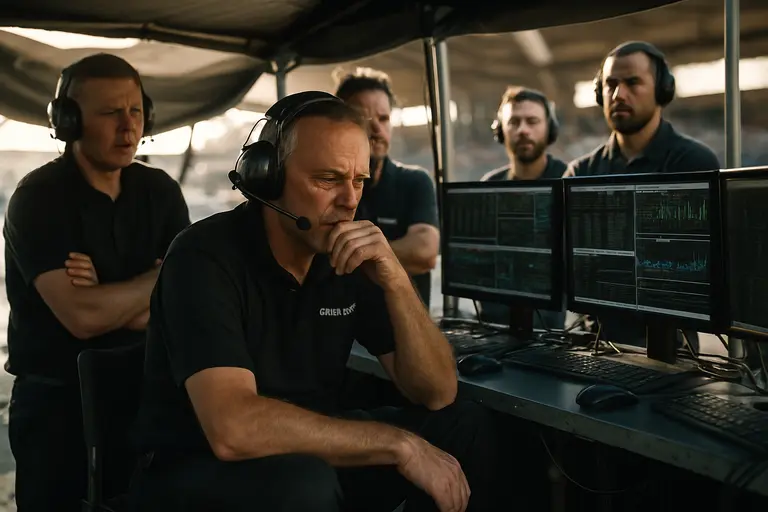
Qualifying Speed Does Not Guarantee Race Control
The qualifying-speed note is useful, but Daytona is not decided by isolated pace. A car that is quicker alone can still be trapped if it exits pit road without partners or loses the correct lane during a green-flag cycle. That is why the August 29 race should be treated as a test of group strategy as much as setup direction.
Teams are likely to prepare decision trees around three basic questions: whether to pit with manufacturer allies, whether to prioritize clean air and track position, and whether saving fuel is worth the risk of surrendering momentum. Those questions existed in February, but the new rules should force recalibration. A smaller spoiler may change how much help a trailing car can give, while lower power may affect how quickly a driver can close back to a pack after service.
Stage Lengths And Superspeedway Policy Pressure
NASCAR had already acted on superspeedway fuel saving before the August Daytona package. On April 7, 2026, NASCAR shortened the final two stages at Talladega Superspeedway to address fuel-saving strategies. That action showed the sanctioning body was not treating conservation-style racing as a one-race issue.
The planned Daytona “Preseason Thunder” test before the Rolex 24 on January 30–31, 2027, also points to continued evaluation of technical changes aimed at reducing conservation-style racing. For race engineers, that means the August 29 Coke Zero Sugar 400 is both an event and a data point. The strategic behavior of the field will influence how NASCAR judges whether the revised speed package moved the competition in the intended direction.
For a deeper race-specific companion angle, the site’s related analysis on Coke Zero 400 tactics tracks how draft decisions and stop timing can intersect under the same rule set.
Daytona Pit Strategy For August 29
Why The First Green-Flag Cycle Matters
The first clean green-flag cycle may reveal more than qualifying. It will show whether teams believe the new package has reduced the penalty for losing track position. If leaders still slow dramatically to stretch fuel, then the field has effectively decided that conservation remains the dominant path. If more teams short-cycle, pit in disciplined groups or attack lane position earlier, then NASCAR’s attempt to shift value back toward passing will have gained at least some strategic traction.
Daytona Pit Strategy also depends on how much tire and handling variation teams detect over long runs. The research from the Daytona 500 period noted attention on handling changes, aging pavement and track-surface behavior during practice and qualifying Duels. Those factors can push a team away from a simple fuel-only model, especially if a driver reports that the car’s balance makes lane moves harder as a run develops.
The Decision Tree NASCAR Wanted
The ideal competitive outcome for NASCAR is not a race without strategy. It is a race where strategic pit decisions create options rather than freeze the field into conservation. The August 29 package is designed to reduce drag and encourage passing, but the proof will come from how crew chiefs respond when the first fuel window opens.
A winning Daytona Pit Strategy will still need disciplined execution, clean communication and strong drafting coordination. The difference is that teams may have more reason to race their way back into position instead of treating fuel saving as the safest path to the front. If the revised package produces that shift, the August 29 Coke Zero Sugar 400 will become a useful benchmark for NASCAR’s next phase of superspeedway rule development.