The IMSA VIR Preview for August 21-23, 2026 is built around a clear competitive point: the Michelin GT Challenge at VIRginia International Raceway gives the GTD Pro and GTD fields the WeatherTech SportsCar Championship stage without prototype traffic. The event is scheduled for Friday, August 21 through Sunday, August 23, 2026 at Virginia International Raceway in Alton, Virginia, according to the official IMSA event listing.
That GT-only structure changes the rhythm of the weekend. Instead of managing large speed differentials with prototype classes, the GT competitors face a more condensed performance window, closer traffic behavior, and a race in which qualifying position, pit timing, and driver execution can carry heavier weight. VIR’s 3.27-mile, 18-turn layout also means the field has enough lap length to create separation, but not enough to protect a team that loses time in traffic or gives away track position during stops.
IMSA VIR Preview Sets Up A GT-Only Weekend
The headlining WeatherTech SportsCar Championship race is listed as a 2-hour, 40-minute sprint on Sunday, August 23, 2026. That duration sits in an interesting strategic band. It is long enough to demand structured stint planning and clean pit execution, but short enough that a poor qualifying result or early track-position loss can be difficult to recover without a caution or a rival mistake.
Because the research notes identify this VIR round as the only GT-exclusive WeatherTech SportsCar Championship race on the 2026 calendar, the class emphasis is unusually concentrated. The absence of prototype traffic does not make the race simpler. It removes one type of traffic management and replaces it with a narrower tactical fight between cars running in closer performance bands.
IMSA VIR Preview Schedule Markers
Practice and qualifying sessions are scheduled across Friday, August 21 and Saturday, August 22, before the Sunday feature race. Those sessions should define more than outright lap speed. At VIR, the order in which teams establish tire behavior, driver comfort, and traffic timing can shape how aggressively they approach qualifying and the opening stint.
For teams, the IMSA VIR Preview points toward a weekend where session sequencing matters. A strong Friday baseline can reduce setup changes before qualifying. A weaker opening session may force a team to choose between chasing single-lap speed and protecting race drivability. With a 2-hour, 40-minute race length, a car that is slightly less sharp over one lap but more predictable over a stint may still be positioned well for Sunday.
Why VIR Changes GT Traffic Management
VIR’s 3.27 miles and 18 turns create a circuit profile where rhythm is central. A GT driver needs confidence through repeated direction changes, but also enough patience to avoid damaging tire life or compromising exit speed when tucked behind another car. In a GT-only field, the closing rates are smaller than in mixed prototype-GT traffic, so passes can require longer setup and cleaner execution.
That places extra pressure on pit sequencing. If a team exits behind a slower group after a stop, the loss may not come from one obvious block. It can come from several corners of compromised exits, one lap at a time. That is the type of hidden time loss that often decides sprint-format GT races.
Entry List Shape And Class Pressure
The confirmed entry list contains 23 cars: 10 in GTD Pro and 13 in GTD, as reported by Sportscar365’s VIR entry report. That is a compact field compared with multi-class endurance grids, but it is large enough to produce constant placement pressure in both categories.
Car Blanche is listed as joining the GTD Pro field with Valentin Hasse-Clot and Marco Sørensen in the No. 68 Aston Martin Vantage GT3 Evo. The same entry report also notes that YRB Racing moves back into GTD Pro after competing in GTD earlier in the season. Those two points matter because GTD Pro is the sharper competitive reference class: fewer cars, less room to hide, and a field in which small execution differences tend to be exposed quickly.
GTD Pro Entry Balance
Ten GTD Pro entries create a race where every position has strategic value. With no prototype classes in the way, the class fight should be easier to read, but harder for teams to control. A car that qualifies mid-pack is not buried by sheer volume, yet it may spend the first stint in direct conflict with similarly paced rivals.
The key to this IMSA VIR Preview is that GTD Pro teams will not simply be racing the clock. They will be racing track position against direct class opposition almost continuously. That changes how engineers may value stint consistency, brake stability, and driver feedback across practice.
GTD Race Control Questions
The 13-car GTD field brings its own risk profile. The class has enough entries to create local traffic clusters, especially after pit cycles. Without current points gaps included in the research, it would be speculative to assign championship pressure to specific cars or crews. What can be said with confidence is that a late-August race with a defined GTD field carries material championship relevance because opportunities to recover points diminish as the season moves toward its final races.
That makes mistake avoidance a competitive asset. A drive-through penalty, contact repair, or poor stop can convert a manageable race into a lost points day. In a GT-only sprint, the margin for repair is often measured in seconds rather than laps.
Venue Logistics And Broadcast Context
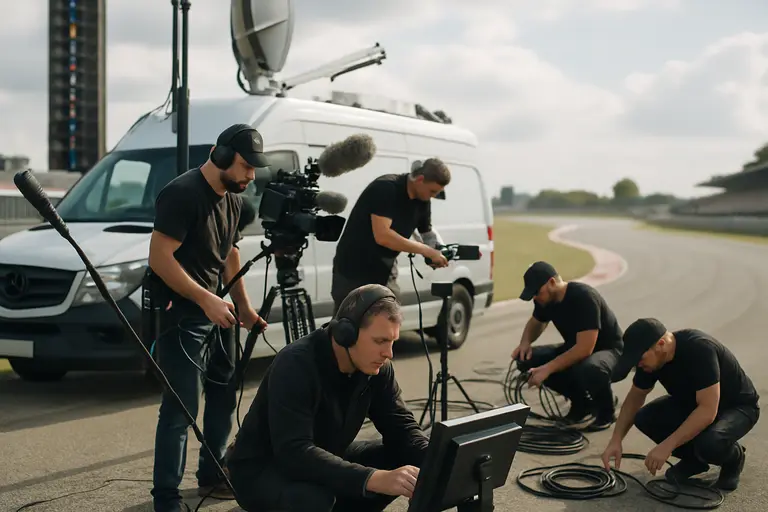
Virginia International Raceway’s location in Alton, Virginia gives the Michelin GT Challenge a distinct event setting, but the competition frame remains the central story. The research notes list live coverage on NBC, Peacock, IMSA.TV, and IMSA’s YouTube channel. From an analytical perspective, the broadcast structure also helps define how the race will be consumed: a Sunday sprint with two GT classes and no prototype class split should be comparatively direct to follow.
Advance ticket sales for camping, VIP, and general admission were noted in the research as closed for 2026. That matters for event logistics rather than sporting form, but it also indicates the importance of pre-race planning around access, paddock movement, and viewing locations at a venue where the road-course layout spreads spectators across multiple vantage points.
What Trackside Viewers Should Read From Sessions
Practice and qualifying should offer the clearest early indicators. Watch for which cars can repeat laps without a visible drop in composure, which teams keep their changes limited between sessions, and which entries appear comfortable in traffic rather than only in clean air. Those signs often translate better to a 2-hour, 40-minute GT race than a single headline lap.
The Aston Martin presence is also notable because Car Blanche’s GTD Pro entry adds another manufacturer storyline to the weekend. For broader IMSA Aston Martin context away from VIR, TopGearbox has also examined the marque’s prototype-side demands in its Aston Martin IMSA analysis.
Michelin GT Challenge At VIR Race Factors
The IMSA VIR Preview therefore centers on execution rather than novelty. The confirmed ingredients are clear: August 21-23 dates, a 3.27-mile and 18-turn circuit, a Sunday race duration of 2 hours and 40 minutes, and 23 GT entries split between GTD Pro and GTD. Those facts create a compact but demanding competitive structure.
The most decisive factor may be how teams treat risk. VIR rewards commitment, but a GT-only sprint gives fewer chances to offset avoidable errors. Clean driver changes, disciplined pit entry and exit, and a setup that stays predictable across a stint should matter as much as peak qualifying pace.
For GTD Pro, the 10-car field places every entry under direct pressure from the opening laps. For GTD, the 13-car class size increases the chance that pit cycles and traffic clusters will shape the result. Without confirmed race results or updated points data as of August 20, 2026, any prediction beyond those structural pressures would be guesswork.
What can be assessed now is the competitive outline. The Michelin GT Challenge at VIR is not just another WeatherTech round with a different class mix. It is a focused GT contest at a technical road course, with enough duration to test race management and enough urgency to punish hesitation. That is why the event’s sporting value sits in the details: session progression, traffic timing, pit precision, and how quickly teams convert Friday information into Sunday race pace.