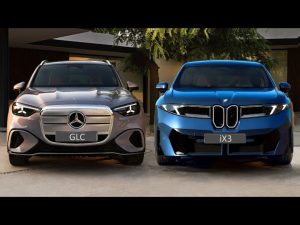
The world of supercars is undergoing one of the most dramatic transformations in its history. For decades, the identity of high-performance vehicles has been defined by roaring engines, mechanical precision, and the unmistakable emotion of combustion power. Today, however, a new contender is rapidly gaining ground. Electric supercars, once dismissed as experimental or uninspiring, are now setting new standards in speed, acceleration, and technological sophistication.
This shift is not merely a trend it represents a fundamental change in how performance is engineered, experienced, and understood. As electric innovation accelerates, the long-standing dominance of gasoline-powered icons is being challenged like never before.
A Legacy Built on Combustion Power
Traditional supercars have long been celebrated for their engineering artistry and visceral appeal. The growl of a V10 or V12 engine, the tactile feedback of shifting gears, and the raw connection between driver and machine have defined the driving experience for generations.
Manufacturers built their reputations on pushing the limits of combustion engines. Every detail from aerodynamics to exhaust tuning was crafted to deliver both performance and emotion. These vehicles were not just modes of transport; they were symbols of passion, craftsmanship, and identity.
For many enthusiasts, this legacy remains unmatched. The sound, vibration, and mechanical complexity of internal combustion engines create a sensory experience that electric vehicles struggle to replicate. This emotional connection continues to be a powerful force in the supercar market.
The Electric Revolution Gains Momentum
Electric supercars have rapidly evolved from niche concepts into serious competitors. Advances in battery technology, power delivery, and software engineering have enabled these vehicles to achieve performance levels once thought impossible.
One of the defining advantages of electric powertrains is instant torque. Unlike traditional engines that require time to build power, electric motors deliver maximum torque immediately. This results in breathtaking acceleration that can outperform even the most powerful gasoline counterparts.
In addition, electric vehicles benefit from fewer moving parts, which allows for greater efficiency and reduced mechanical complexity. Engineers can focus on optimizing performance through software, creating new possibilities for customization and control.
What was once seen as a limitation silence has become part of the electric supercar’s identity. Instead of engine noise, the focus shifts to speed, precision, and futuristic design.
Performance Redefined: Speed Without Delay
The definition of speed is changing. Electric supercars are not just competing with traditional models they are surpassing them in key performance metrics.
Acceleration has become the primary battleground. Many electric models can reach 0 to 60 mph in under two seconds, a feat that challenges the limits of physics. This level of performance is achieved without the need for complex transmissions or turbocharging systems.
Top speed, once the ultimate benchmark, is no longer the sole measure of excellence. Instead, consistency, responsiveness, and control are gaining importance. Electric systems allow for precise torque distribution, improving handling and stability in ways that combustion engines cannot easily match.
This shift is redefining what it means to be a “supercar.” It is no longer just about raw power, but how that power is delivered and managed.
The Emotional Divide Among Enthusiasts
Despite their technological advantages, electric supercars face resistance from purists. For many, the absence of engine sound removes a critical element of the driving experience. The roar of an engine is not just noise it is an emotional signal that connects driver and machine.
This divide has created a cultural tension within the automotive world. On one side are those who embrace innovation and see electric vehicles as the future. On the other are traditionalists who view the shift as a loss of identity.
Manufacturers are attempting to bridge this gap in creative ways. Some are experimenting with artificial sound design, while others focus on enhancing other sensory aspects of driving, such as acceleration and handling feedback.
The question remains: can electric supercars deliver the same emotional satisfaction as their gasoline predecessors, or will they redefine what emotion means in driving?
Environmental Pressure and Industry Transformation
The rise of electric supercars is not happening in isolation. It is part of a broader transformation driven by environmental concerns and regulatory pressures. Governments around the world are implementing stricter emissions standards, pushing manufacturers to reduce their reliance on fossil fuels.
For supercar brands, this presents both a challenge and an opportunity. Transitioning to electric power requires significant investment in research and development, but it also opens the door to innovation and new market positioning.
Sustainability is becoming a key factor in consumer decisions, even in the luxury segment. Buyers are increasingly aware of environmental impact, and electric supercars offer a way to combine performance with a reduced carbon footprint.
This shift is reshaping brand identities. Companies that were once defined by combustion excellence are now competing on technological innovation and sustainability.
Hybrid Models as a Transitional Phase
While fully electric supercars are gaining attention, hybrid models are playing a crucial role in the transition. By combining internal combustion engines with electric motors, hybrids offer a balance between tradition and innovation.
These vehicles allow manufacturers to maintain the emotional appeal of engine sound while benefiting from the performance advantages of electric power. They also serve as a testing ground for new technologies that will eventually be used in fully electric models.
However, hybrids are often seen as an intermediate step rather than a long-term solution. As battery technology continues to improve, the industry is expected to move increasingly toward fully electric platforms.
The Future of Supercars: Evolution or Replacement?
The question facing the automotive world is not whether electric supercars will succeed, but how they will coexist with traditional models. While electric vehicles are clearly gaining momentum, gasoline-powered supercars are unlikely to disappear overnight.
Instead, the future may involve a period of coexistence, where both technologies serve different segments of the market. Collectors and enthusiasts may continue to value combustion-powered vehicles for their heritage and emotional appeal, while new buyers gravitate toward electric models for their performance and sustainability.
Over time, however, the balance is likely to shift. As technology advances and infrastructure improves, electric supercars will become more accessible and more capable, further solidifying their position in the market.
A Turning Point in Automotive History
The rise of electric supercars marks a pivotal moment in the evolution of performance vehicles. It is a transition that challenges long-held assumptions and redefines what it means to drive at the highest level.
While gas-powered legends will always hold a special place in automotive history, the future is being shaped by innovation, efficiency, and new forms of performance. The battle between electric and combustion is not just about technology it is about identity, emotion, and the direction of an entire industry.
As this transformation continues, one thing is certain: the supercar world will never be the same again.